
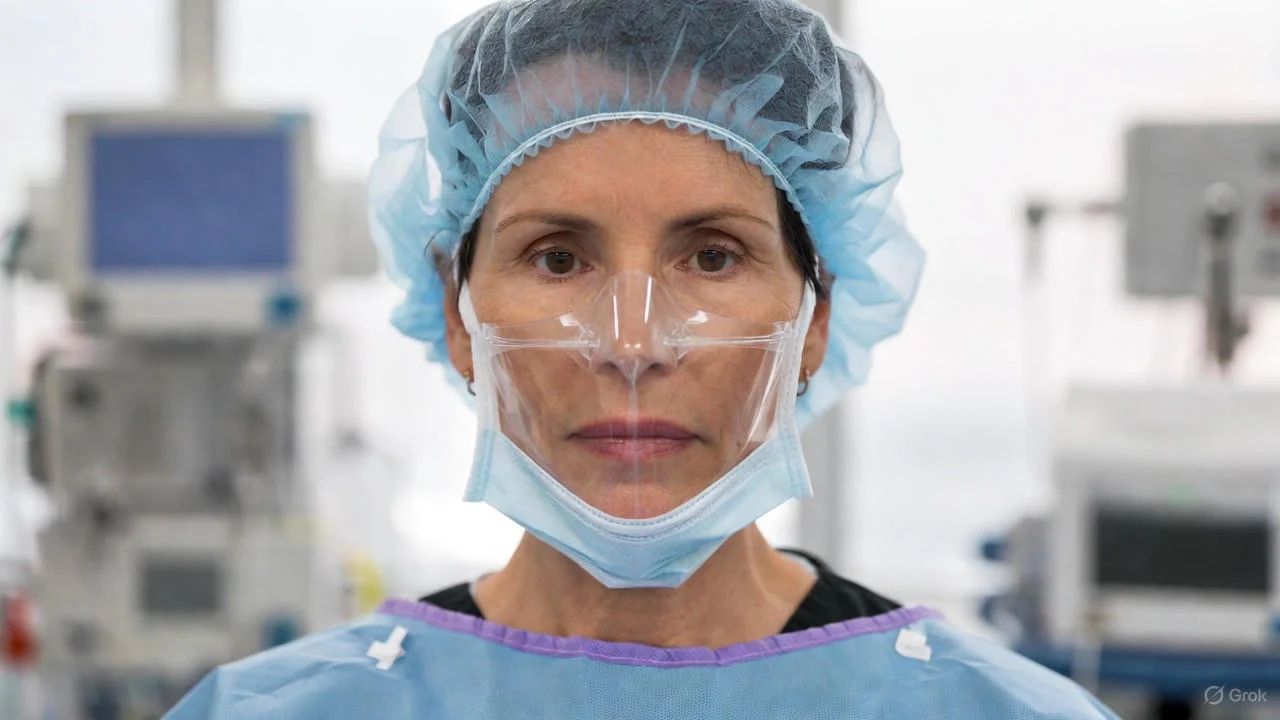
If you’re preparing for knee replacement surgery, you’ve likely read the clinical guides. You know about the implants and the incision. However, the personal journey—the emotional shifts, the practical hacks, and the honest realities of recovery—is a story often told only in hindsight. Knowing what others have learned the hard way can transform your experience from daunting to manageable. This article compiles the heartfelt and practical advice patients commonly share, offering you a clearer map for the road ahead. We’ll explore everything from mental preparation to the small comforts that make a big difference.
Quick Answer
What’s the most important thing to know before knee replacement surgery?
The recovery process demands more patience and emotional resilience than most people anticipate. While the surgery fixes the joint, your commitment to pre-op strengthening, post-op physical therapy, and a positive, patient mindset truly determines your outcome. Prepare your home and your support system in advance to make your healing journey smoother.
TL;DR
• Your mental attitude is as crucial as your physical therapy.
• Pre-surgery leg strength dramatically impacts early recovery.
• Set up your home for single-floor living before you go in.
• Progress is measured in weeks and months, not days.
• Communicate openly with your medical team about pain.
• Accept help but guard your rest time fiercely.
The True Timeline Of Discomfort And Pain
The idea of pain can be scary, but knowing what to expect takes away some of its power. It’s intense at first, but it changes quickly with proper management. You won’t feel this way forever.
• I wish I knew the first 72 hours would be the toughest, but medication and ice make it manageable.
• I wish I understood that “surgical pain” feels different and less terrifying than arthritic bone-on-bone pain.
• I wish someone had told me the pain would evolve from sharp surgical pain to a deep, manageable ache.
• I wish I knew to focus on the pain decreasing each week, not each hour.
• I wish I was prepared for the random zaps and tingles as nerves heal – they’re normal.
• I wish I knew swelling is a major source of discomfort, not just the incision itself.
• I wish I’d believed that consistent ice is a more powerful pain reliever than I imagined.
• I wish I knew stiffness when sitting still is inevitable, not a sign of failure.
• I wish someone explained that pain during physical therapy is different from injury pain.
• I wish I was ready for the emotional drain that comes with constant discomfort.
• I wish I knew keeping ahead of the pain with a schedule is easier than chasing it.
• I wish I understood that pain is a guide, telling you when to rest or when to gently move.
The Emotional Journey And Mindset
Your mental state is your most powerful tool or your biggest hurdle. Surgery is a physical trauma that triggers an emotional response. Be kind to yourself through the ups and downs.
• I wish I knew it’s completely normal to feel buyer’s remorse or “why did I do this?” in the first week.
• I wish I was prepared for the boredom and frustration of being so limited.
• I wish I understood that patience isn’t a virtue here; it’s a non-negotiable requirement.
• I wish I knew to celebrate microscopic wins, like a slightly better leg lift.
• I wish I had tools for the anxiety that can hit in the middle of a sleepless night.
• I wish someone told me it’s okay to cry out of frustration—it doesn’t mean you’re weak.
• I wish I knew the mental fatigue from constant pain and effort is profound.
• I wish I was ready for the loneliness that can accompany being stuck at home.
• I wish I understood my mood would directly impact my perception of pain.
• I wish I had practiced mindfulness or meditation before surgery to have the skill ready.
• I wish I knew talking to someone who’s been through it is incredibly validating.
• I wish I believed that this tough chapter is an investment in thousands of better days ahead.
Pre-Op Physical Preparation Is Non-Negotiable
Think of pre-hab as putting money in the recovery bank. The stronger you go in, the easier the early days will be. This is your most active role before the surgery itself.
• I wish I knew that quad strength is the absolute key to getting out of bed and walking early.
• I wish I had taken my surgeon’s exercise list as seriously as my pre-op diet instructions.
• I wish I understood that upper body strength is crucial for using a walker and getting up.
• I wish I’d practiced the post-op exercises beforehand so my brain knew the motion.
• I wish I knew working on my core would make every transfer in and out of chairs easier.
• I wish I had focused on flexibility in my ankles and hips, not just my knees.
• I wish someone told me that good pre-op nutrition builds reserves for healing.
• I wish I knew stopping certain supplements or medications ahead of time was critical.
• I wish I’d quit any nicotine well in advance, as it truly impairs healing.
• I wish I practiced walking smoothly with a walker or crutches before surgery day.
• I wish I knew dental health mattered; infections can complicate joint surgery.
• I wish I had gotten a full physical to ensure I was in the best possible overall health.
Preparing Your Home For Success
Your home needs to become a recovery sanctuary before you leave for the hospital. Walking in to a ready space reduces stress immensely.
• I wish I knew to create a complete living space on one floor, ideally near a bathroom.
• I wish I’d rented a recliner; it was a game-changer for sleeping and elevating my leg.
• I wish I bought a toilet riser with arms and practiced using it beforehand.
• I wish I knew to clear all tripping hazards like rugs, cords, and pet toys.
• I wish I had set up a “recovery station” with phone, charger, water, meds, and remote.
• I wish I bought a long-handled grabber and shoe horn—they preserve independence.
• I wish I knew ice packs designed for knees are worth every penny.
• I wish I’d pre-made and frozen dozens of meals in single-serving containers.
• I wish I placed nightlights in every hallway and room for safe nighttime trips.
• I wish I got a shower chair and a handheld showerhead installed a week prior.
• I wish I knew putting essentials (clothes, coffee) at waist level prevents bending.
• I wish I had a plan for pets who might jump or get underfoot.
Packing For The Hospital Stay
Packing isn’t just about clothes; it’s about comfort and small dignities. The right items can make a sterile environment feel more human.
• I wish I knew a very long phone charger (10+ feet) is the most important item.
• I wish I brought my own large, insulated water cup with a straw and lid.
• I wish I packed lip balm and lotion because hospital air is incredibly dry.
• I wish I brought several pairs of non-slip socks, not just one.
• I wish I knew loose, soft shorts or pants with wide legs are best for over the bandage.
• I wish I had my own eye mask and earplugs to block out hospital noise and light.
• I wish I brought hard candies or mints to combat dry mouth from medications.
• I wish I packed a small, easy puzzle book or downloaded podcasts for distraction.
• I wish I brought a pen and notepad to write down questions for the doctors.
• I wish I knew slip-on shoes (like Crocs) are essential for the trip home.
• I wish I had a small bag to keep all my personal items together on the bedside table.
• I wish I brought my own pillow from home for a touch of familiarity and comfort.
Essential Questions For Your Surgeon
Your surgeon is your partner. Walking into consultations informed helps you build a team-based approach to your care.
• I wish I asked, “What is your specific protocol for pain management after surgery?”
• I wish I knew to ask, “How many of this specific procedure do you perform each year?”
• I wish I asked, “What are your specific criteria for discharging me from the hospital?”
• I wish I knew to ask, “What are the first three exercises I’ll do, and when will I start?”
• I wish I asked, “What are your success rates, and how do you define a ‘success’?”
• I wish I inquired, “Will I need any special equipment like a CPM machine at home?”
• I wish I asked, “What are your specific restrictions on weight-bearing after surgery?”
• I wish I knew to ask, “How do you handle post-op complications if they arise?”
• I wish I asked, “What is your recommended physical therapy schedule and duration?”
• I wish I inquired, “When can I realistically expect to drive again?”
• I wish I asked, “What are the signs of infection or blood clots I should watch for?”
• I wish I knew to ask, “What is your policy on refilling pain medication prescriptions?”
Understanding Risks And Complications
Knowledge is power, not fear. Understanding potential setbacks helps you recognize them early and respond effectively.
• I wish I knew the difference between normal post-op swelling and signs of a blood clot.
• I wish I understood how critical ankle pumps are for preventing those blood clots.
• I wish someone clearly explained the signs of an infection versus normal healing warmth.
• I wish I knew stiffness from scar tissue (arthrofibrosis) is a risk if you don’t move enough.
• I wish I was told that numbness on the outer knee can be permanent but isn’t harmful.
• I wish I understood the risk of falls in the first few weeks is very real and dangerous.
• I wish I knew some continued clicking or clunking in the new joint can be normal.
• I wish I was prepared for the possibility of needing a manipulation under anesthesia if stiffness persists.
• I wish I knew allergic reactions to implants or bone cement are rare but possible.
• I wish I understood the importance of dental hygiene to prevent later joint infection.
• I wish I was told that imbalance or weakness in other joints can cause new pains.
• I wish I knew the risk of not following the recovery plan is often greater than surgical risks.
The First Days And Weeks At Home
The transition home is a shock to the system. Everything is harder and slower than you remember. Setting realistic expectations for this phase is crucial.
• I wish I knew the car ride home would be more challenging than I anticipated.
• I wish I was prepared for how difficult and tiring the first shower would feel.
• I wish I understood that sleeping for more than 2 hours straight is a major victory at first.
• I wish I knew the importance of setting a timer for medication, even at night.
• I wish I was ready for the sheer exhaustion after simple tasks like getting to the bathroom.
• I wish I had a system for tracking my medications, ice schedule, and exercises.
• I wish I knew constipation from pain meds is almost guaranteed—start remedies early.
• I wish I was prepared for the emotional low that often hits around day 5 or 6 at home.
• I wish I understood that appetite often disappears; having easy, nutritious snacks is key.
• I wish I knew how to safely navigate stairs before I attempted them.
• I wish I was told that swelling increases throughout the day and peaks in the evening.
• I wish I knew asking for help with tasks like laundry isn’t weak, it’s smart.
The Critical Role Of Physical Therapy
Physical therapy isn’t an optional extra; it’s the prescription that makes your new joint functional. Your effort here directly shapes your outcome.
• I wish I knew PT would be painful and hard, but that good pain leads to progress.
• I wish I understood that doing the exercises between formal sessions is where gains happen.
• I wish I knew the first goal is full extension (straightening), not just bending.
• I wish I was told to communicate clearly with my therapist about my pain levels.
• I wish I knew consistency is far more important than heroics on a single day.
• I wish I understood that swelling is the enemy of flexibility—ice before and after PT.
• I wish I had a way to measure small improvements to stay motivated.
• I wish I knew home exercises can feel monotonous, but they build the foundation.
• I wish I was prepared for the muscle soreness that feels like an intense workout.
• I wish I knew setbacks (a more swollen day) are normal and not a reason to quit.
• I wish I understood that PT continues for months, not just the first few weeks.
• I wish I knew a good physical therapist is a coach, cheerleader, and taskmaster combined.
Navigating Medications And Side Effects
Medications manage pain but come with their own challenges. Being proactive with management prevents secondary issues.
• I wish I knew to start a stool softener the day I started opioid pain medication.
• I wish I had a clear, written schedule from the hospital for tapering off medications.
• I wish I understood the goal is pain management, not total pain elimination.
• I wish I knew to take medication with food to avoid nausea, even if I wasn’t hungry.
• I wish I was told not to be a hero—taking medication on schedule keeps pain controllable.
• I wish I knew some medications can cause weird dreams or mild hallucinations.
• I wish I had a plan for safely storing and disposing of unused opioids later.
• I wish I understood the importance of staying ahead of nausea as much as pain.
• I wish I knew to ask about alternatives if one medication caused unpleasant side effects.
• I wish I was prepared for the “brain fog” that accompanies strong pain meds.
• I wish I knew acetaminophen (Tylenol) would become a long-term friend for ache management.
• I wish I kept a simple log of what I took and when to avoid confusion.
Recovery Timeline And Realistic Milestones
Forget “fast recovery” stories. Your timeline is your own. Understanding the general arc prevents discouragement when you’re not “back to normal” in a month.
• I wish I knew “walking” at 6 weeks often still means a limp and fatigue.
• I wish I understood it takes a full year for all the deep healing and strength to return.
• I wish I was told that driving might be off the table for 4-6 weeks, depending on the leg.
• I wish I knew returning to a desk job is possible around 6-8 weeks, but it’s exhausting.
• I wish I had a realistic month-by-month milestone chart, not a day-by-day one.
• I wish I understood that the first two months are about function, not fitness.
• I wish I knew swelling can linger for months, especially after increased activity.
• I wish I was prepared for the “3-week slump” where progress seems to stall.
• I wish I knew it might be 3 months before I could walk a mile comfortably.
• I wish I understood that kneeling might never feel comfortable or advisable.
• I wish I had perspective that 6 months of effort pays off for 10-15+ years of function.
• I wish I knew comparing my Week 4 to someone else’s Week 8 is a recipe for misery.
The Hidden Importance Of Nutrition And Hydration
Your body is a construction site. Food is the building material, and water is the essential delivery system. Healing requires more fuel than you think.
• I wish I knew protein is critical for tissue repair—I needed to prioritize it at every meal.
• I wish I understood that dehydration makes pain feel worse and increases constipation.
• I wish I had pre-made smoothie packs with protein powder and leafy greens.
• I wish I knew foods high in vitamin C and zinc directly support wound healing.
• I wish I was told that inflammation-fighting foods like berries and fatty fish can help.
• I wish I knew appetite loss is common, so small, frequent snacks are better than big meals.
• I wish I had a large water bottle with time markers to ensure I drank enough all day.
• I wish I understood that iron-rich foods help rebuild blood lost during surgery.
• I wish I knew alcohol can interfere with medications and slow the healing process.
• I wish I was prepared for the extra calorie burn from healing; undereating slows recovery.
• I wish I had easy, one-handed healthy snacks by my bed for the first few days.
• I wish I knew a well-nourished body simply has more energy for the hard work of PT.
Managing Help And Setting Boundaries
People want to help, but their help needs to be helpful to you. Managing your support system is a skill that protects your energy and your peace.
• I wish I knew it’s okay to say “no visitors today” without feeling guilty.
• I wish I had a point person to coordinate meals and visits so I wasn’t overwhelmed.
• I wish I understood that well-meaning people often stay too long; set time limits.
• I wish I knew to ask for specific help: “Could you walk my dog?” not “Can you help?”
• I wish I was prepared to advocate for my need to nap, even when company was there.
• I wish I knew some people find the reality of recovery uncomfortable and may disappear.
• I wish I had a code word with my partner for when I needed to be alone.
• I wish I understood that accepting help with household chores is not a failure.
• I wish I knew to protect my rest time as fiercely as my physical therapy time.
• I wish I was ready for the emotional labor of updating everyone on my progress.
• I wish I knew the most helpful people often just sit quietly with you.
• I wish I understood that setting boundaries early prevents resentment later.
Dealing With Frustration And The Comparison Trap
Your recovery is a unique journey. Impatience is natural, but measuring yourself against others—or your past self—is a path to unhappiness.
• I wish I knew social media “recovery wins” from others often show only the best moments.
• I wish I understood that my left knee recovery could be completely different from my right.
• I wish I was told frustration is a sign you care, not a sign you’re failing.
• I wish I knew to avoid online forums where people only share horror stories.
• I wish I had a mantra for bad days, like “This is temporary” or “Healing isn’t linear.”
• I wish I understood that comparing my bending angle to someone else’s is pointless.
• I wish I knew progress sometimes happens in a burst after a plateau.
• I wish I was prepared for the grief of temporarily losing my independence and mobility.
• I wish I focused on what my knee could do each week, not what it couldn’t.
• I wish I knew talking to my PT about my frustrations was part of their job.
• I wish I understood that feeling discouraged doesn’t mean you are off track.
• I wish I celebrated the end of needing an ice pack more than a specific bend degree.
Life And Activity After Full Recovery
The finish line is worth it. While you may have new parameters, the freedom from constant arthritic pain opens a world of possibility.
• I wish I knew the relief of walking without a constant ache is profoundly emotional.
• I wish I understood I could return to hiking, biking, and swimming with joy.
• I wish I was told airport security will likely beep, and a card from my surgeon helps.
• I wish I knew my gait would eventually feel natural and strong again.
• I wish I understood that high-impact sports like running are generally not recommended.
• I wish I had a list of “yes” activities to get excited about during tough recovery days.
• I wish I knew the joint might feel sensitive to weather changes for a long time.
• I wish I was prepared for the odd sensation of a part of my body being man-made.
• I wish I understood that maintaining strength for life is key to protecting the new knee.
• I wish I knew the confidence that comes from conquering such a big challenge.
• I wish I focused on the activities I regained, not the few I modified or gave up.
• I wish I truly believed the long, hard journey would result in a dramatically better quality of life.
The Gift Of Patience And A New Perspective
In the end, the journey teaches you more than just about your knee. It reshapes your understanding of resilience, patience, and the small joys of movement.
• I wish I knew this experience would teach me a deeper form of patience I could use elsewhere in life.
• I wish I understood that slowing down forced me to notice and appreciate small, kind moments.
• I wish I knew the profound gratitude I’d feel for a simple, pain-free walk to the mailbox.
• I wish I was told I’d emerge with more empathy for anyone dealing with chronic pain or limitation.
• I wish I knew my definition of “strong” would change from physical power to enduring resilience.
• I wish I understood that asking for help is a strength that connects you to others.
• I wish I knew the journey would give me a stark appreciation for my health and mobility.
• I wish I was prepared to view my body not as something that failed, but as something I’m actively repairing.
• I wish I knew the pride that comes from faithfully showing up for your own recovery every day.
• I wish I understood that this chapter, however difficult, is a powerful story of self-care.
• I wish I knew the frustration would fade, but the lessons in perseverance would remain.
• I wish I truly believed at the start that I was capable of handling all of it.
FAQs
What is the hardest part of knee replacement surgery?
Most patients say the hardest part is the psychological and emotional challenge, not the physical pain. The required patience, the slow pace of progress, the dependence on others, and the mental fatigue of constant discomfort and effort often outweigh the surgical pain itself. The first few weeks at home test your mindset more than your body.
What not to do before knee replacement surgery?
Do not ignore your pre-operative physical therapy (“pre-hab”) exercises. Do not continue smoking or using nicotine, as it severely hinders healing. Do not skip your pre-surgical medical clearance appointments. Also, avoid making major changes to medications or supplements without your surgeon’s approval, and do not neglect preparing your home for a safe recovery.
How painful is a total knee replacement?
The pain is significant but manageable with modern pain protocols. The first 3-5 days are the most intense, but you will have strong medications to control it. The pain quickly evolves from sharp surgical pain to a deep, aching soreness and stiffness that is more tolerable. Consistent ice, elevation, and medication make it bearable and temporary.
How long does it take to walk normally after knee replacement?
“Walking normally” without a limp or noticeable gait change typically takes between 2 to 3 months, and sometimes up to 6 months for a perfectly fluid walk. You will be walking with a walker within a day, a cane within a few weeks, but refining your stride to normalcy is a process of regaining strength, balance, and confidence over several months.
What are the red flags after knee replacement surgery?
Contact your surgeon immediately if you experience: increasing redness, warmth, or oozing from the incision; a fever over 101°F; sudden, severe calf pain or swelling with shortness of breath (signs of a blood clot); or a sudden increase in pain that isn’t relieved by medication and rest. These can indicate infection or other serious complications.
Is life better after knee replacement?
For the vast majority of patients, yes—life is significantly better. The constant, grinding arthritic pain is gone. While recovery is tough, the trade-off is the ability to return to daily activities, exercise, and hobbies without debilitating knee pain. It restores independence and quality of life for years to come.
Conclusion
The journey through knee replacement surgery is a profound lesson in preparation, patience, and perseverance. By learning from the collective wisdom of those who have walked this path before you, you can face the process with clearer eyes and a steadier heart. Remember, the temporary challenges lead to a long-term reward: the gift of moving through your life with freedom and comfort once again

Natalie Cole is an American writer focused on everyday wishes, notes, and simple messages people can send without overthinking. At Wishhmii, she contributes to a broad range of topics, helping readers express thanks, support, joy, and care in plain, genuine language. Her goal is to make it easier for anyone to say “I’m here for you” or “I’m happy for you” at the right time.