
Understanding what I wish I knew before getting a second dog centers on preparation beyond simple excitement. It’s about shifting from managing a single pet to orchestrating a balanced multi-dog household. The reality involves more than doubled food and vet bills; it demands a strategic approach to canine dynamics, introductions, and individual attention. Many overlook the crucial need for separate training, the potential for regression in your first dog’s behavior, and the intensive management of resources like toys and space. Success hinges on honest assessment of your current dog’s temperament, your available time, and your household’s capacity to handle competing needs without creating a stressful environment for either animal.
Quick Answer
The core of what I wish I knew before getting a second dog is that it’s a management project, not just adding more love. Prepare for a significant, multi-month adjustment period where you must actively prevent rivalry by managing first meetings, feeding separately, and ensuring each dog gets dedicated one-on-one time. Budget for simultaneous vet costs and be ready for potential leash-walking challenges. A successful integration depends more on your current dog’s personality and your commitment to structured oversight than on simply finding a compatible friend.
TL;DR
• Match temperaments, not just looks; your dogs’ personalities must align.
• Budget for double everything, including surprise vet bills and pet care.
• Introduce them slowly on neutral ground to build positive first impressions.
• Protect your bond with your first dog to prevent “second dog syndrome.”
• Expect a 3-month adjustment period before true harmony emerges.
• Your time commitment will more than double, especially in the beginning.
The Real Pros and Cons: Is Two Actually Easier?
Let’s cut to the chase. A second dog isn’t simply a carbon copy of the first experience. The dynamic shifts entirely, creating a unique blend of rewards and challenges you must weigh carefully.
• I wish I knew the profound comfort they’d give each other when I’m away, easing my guilt.
• I wish I’d anticipated the magical sight of them curled up together, completely content.
• I wish someone had warned me that walks become a tangled, logistical puzzle.
• I wish I understood how their play could energize them, saving me some fetch duty.
• I wish I’d foreseen the complication of scheduling two vet appointments around one workday.
• I wish I knew the guilt of dividing my attention, feeling like neither gets enough.
• I wish I appreciated how one dog’s bad habit can quickly become the other’s.
• I wish I was prepared for the volume—two barks at the mailman, two whines for breakfast.
• I wish I realized the joy of seeing their unique, budding friendship blossom on its own terms.
• I wish I considered how traveling would now require finding care for two, not one.
Are You Really Ready? The Pre-Commitment Checklist
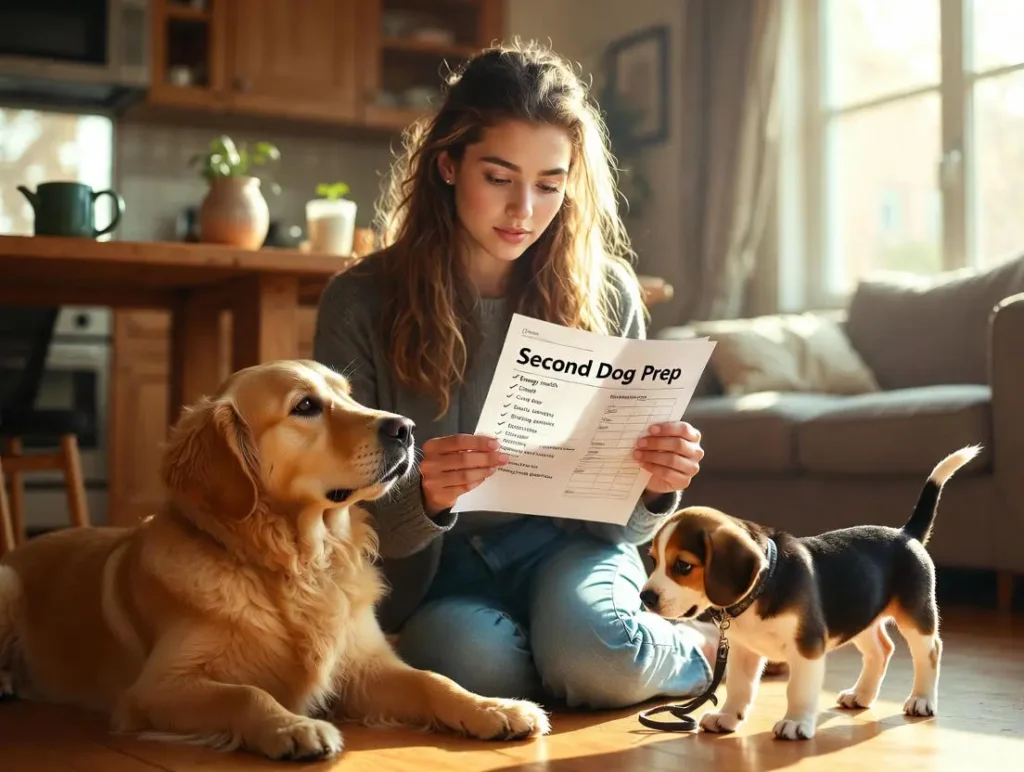
Beyond love and a fenced yard, readiness is a specific state of resources and mindset. Be brutally honest with yourself about your current capacity.
• I wish I had assessed my savings to ensure it could handle two simultaneous emergency surgeries.
• I wish I considered if my living space had enough separate, calm zones for both dogs.
• I wish I asked myself if my current dog genuinely enjoys other dogs’ company all the time.
• I wish I evaluated my patience level for managing potential conflict, not just play.
• I wish I thought about my work travel schedule and the real cost of double dog boarding.
• I wish I considered the physical strength needed to walk two strong dogs in different directions.
• I wish I asked, “Do I have the time to train a new dog while maintaining my first dog’s routines?”
• I wish I reflected on my ability to provide individual one-on-one time with each dog every single day.
The Financial Reality: Budgeting for Double the Love
The initial adoption fee is just the tip of the iceberg. The ongoing costs compound in ways that can quietly strain your budget.
• I wish I knew pet insurance premiums would essentially double my monthly pet budget.
• I wish I calculated the cost of double the premium food, treats, and preventatives.
• I wish I budgeted for two annual check-ups, vaccines, and dental cleanings.
• I wish I anticipated the “double toy destruction” rate, constantly replacing chewed-up items.
• I wish I factored in the higher grooming bills, which are per dog, not per household.
• I wish I considered the wear and tear on my home—two times the scratches, fur, and accidents.
• I wish I planned for boarding or pet-sitting fees that are now significantly higher.
• I wish I saved a dedicated “two-dog emergency fund” before making the leap.
Choosing Your Second Dog: Age, Gender, and Temperament
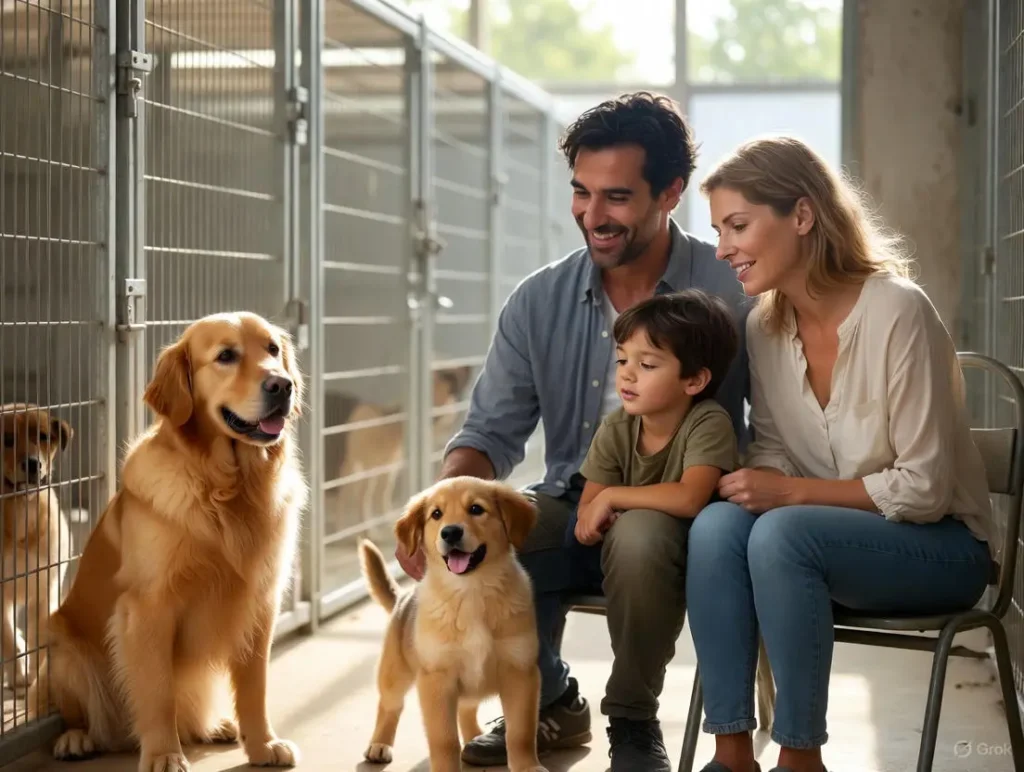
This isn’t about picking the cutest pup you see. It’s a strategic matchmaking process for your existing family member.
• I wish I prioritized energy level compatibility over my personal breed preferences.
• I wish I knew that opposite-sex pairings often, but not always, have fewer dominance issues.
• I wish I considered that a very young puppy might annoy my mature, settled older dog.
• I wish I looked for a temperament that complemented my first dog’s, not mirrored it.
• I wish I involved my first dog in multiple meet-and-greets to observe their genuine reaction.
• I wish I asked the shelter or breeder specifically about the dog’s history with other canines.
• I wish I remembered that a “neutral” dog is often better than an overly friendly or shy one.
The Puppy-and-Senior Dynamic: A Special Consideration
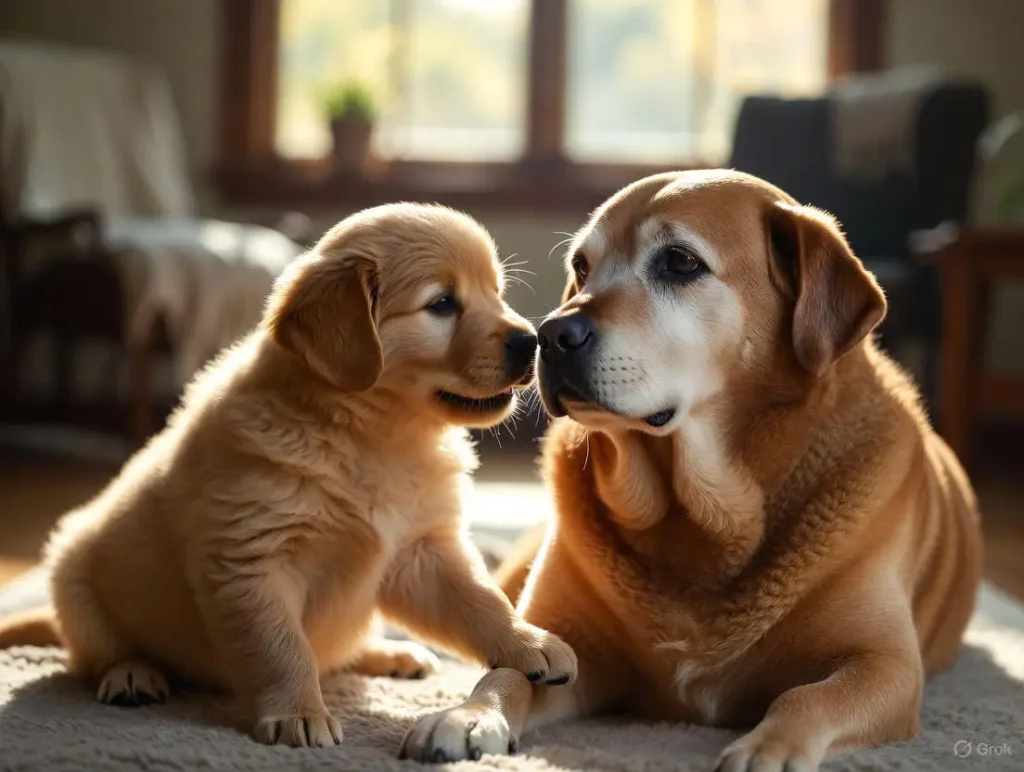
Mixing life stages is a common wish, but it requires extra vigilance to ensure your older dog’s golden years remain peaceful.
• I wish I had a solid plan to give my senior dog uninterrupted rest away from the puppy’s zoomies.
• I wish I understood how a puppy’s needle teeth could frighten or irritate an older, more fragile dog.
• I wish I was prepared to advocate fiercely for my senior’s space, toys, and meal times.
• I wish I knew the puppy would learn every bad habit from the senior, thinking it’s the rule.
• I wish I set up baby gates to create a puppy-proof zone where my senior could always retreat.
• I wish I managed my expectations, knowing they might never be cuddle buddies, just tolerant housemates.
Are Dogs Happier With a Sibling? (Spoiler: Not Always)

We project our desire for companionship onto them. Your dog’s happiness is individual, and another dog can be a stressor, not a gift.
• I wish I accepted that my dog might prefer being an only “child” and that’s perfectly okay.
• I wish I recognized the signs of stress in my first dog before bringing a new one home.
• I wish I knew that a dog content with human companionship may see a new dog as competition.
• I wish I understood that resource-guarding tendencies can emerge or worsen under the new pressure.
• I wish I didn’t assume my dog was lonely just because I would be in their situation.
The Right Way to Introduce Your Second Dog
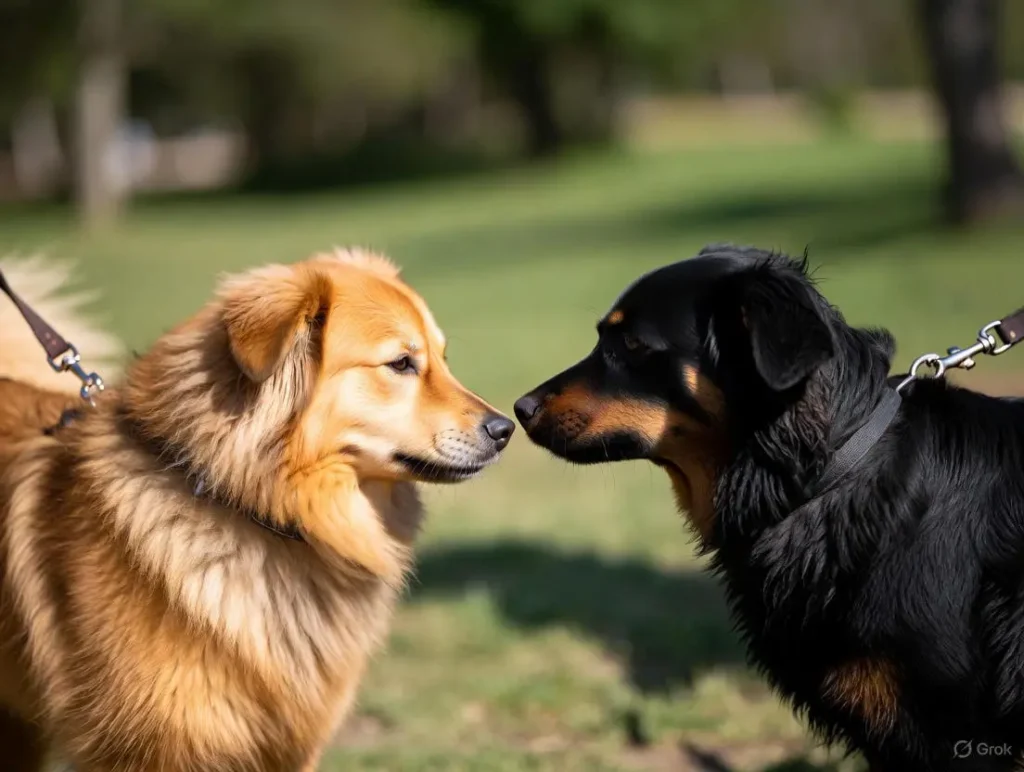
The first meeting sets the tone for their entire relationship. Rushing this step can create problems that take months to undo.
• I wish I introduced them on a neutral walk, side-by-side, before ever entering our home.
• I wish I kept both dogs on leashes for the first several home interactions for gentle control.
• I wish I removed all toys, bones, and food bowls for the initial days to prevent guarding.
• I wish I used baby gates to let them see and smell each other without full physical access.
• I wish I stayed calm and used a cheerful voice; they pick up on your anxiety immediately.
• I wish I ended every early interaction on a positive note, before any tension arose.
Understanding and Avoiding “Second Dog Syndrome”

This refers to the new dog getting all the training attention while the older dog’s needs are neglected, or vice-versa, causing behavioral issues.
• I wish I continued training my first dog as usual, so they didn’t backslide for attention.
• I wish I fed them in separate rooms to avoid any mealtime competition or anxiety.
• I wish I made a conscious effort to greet and pet my first dog first when I came home.
• I wish I scheduled separate walks and one-on-one “dates” with each dog weekly.
• I wish I gave them each their own crates or beds as personal, sacred safe spaces.
The Timeline: How Long Until They’re a True Pack?
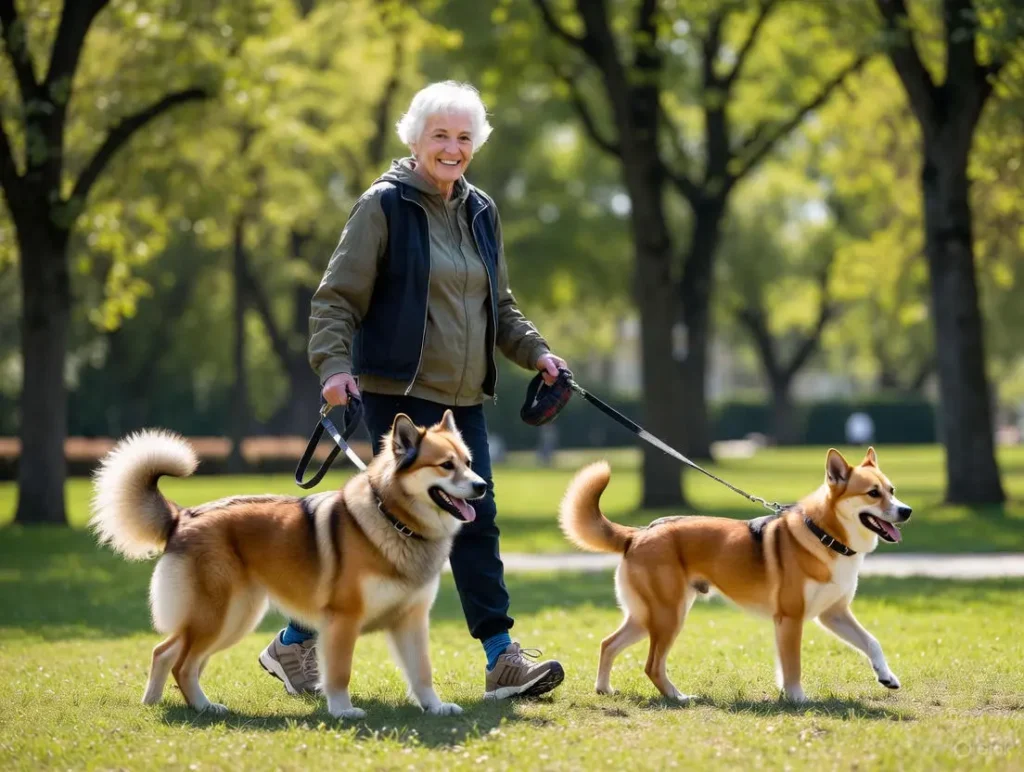
Harmony isn’t instant. It’s a slow dance of establishing boundaries, building trust, and finding their rhythm together.
• I wish I knew the “honeymoon phase” could last a week before true personalities clashed.
• I wish I was patient through the 3-6 month adjustment period, where small squabbles are normal.
• I wish I didn’t panic at the first growl, understanding it’s often communication, not aggression.
• I wish I celebrated tiny victories, like them lying calmly in the same room.
• I wish I accepted that some dogs simply become tolerant cohabitants, not inseparable friends.
Is It Easier to Have Two Dogs? (The Honest Truth)
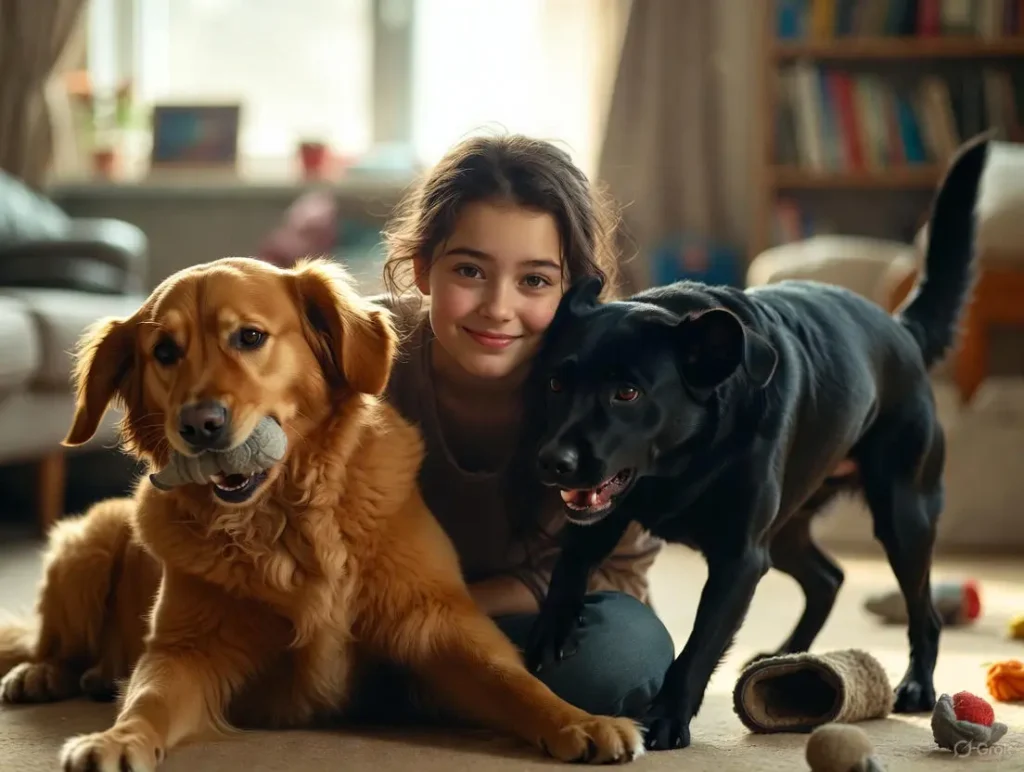
“Easier” is rarely the right word. Some things become more complex, while others become simpler in unexpected ways.
• I wish I knew that while they entertain each other, you now referee their play.
• I wish I realized that caring for two sick dogs is exponentially harder than caring for one.
• I wish I understood that training sessions must often be separate, doubling your active training time.
• I wish I saw how having two can ease separation anxiety for some dogs, making departures calmer.
• I wish I felt the reassurance of hearing them play together while I’m busy in another room.
The Daily Grind: Managing Two Dogs in One Home
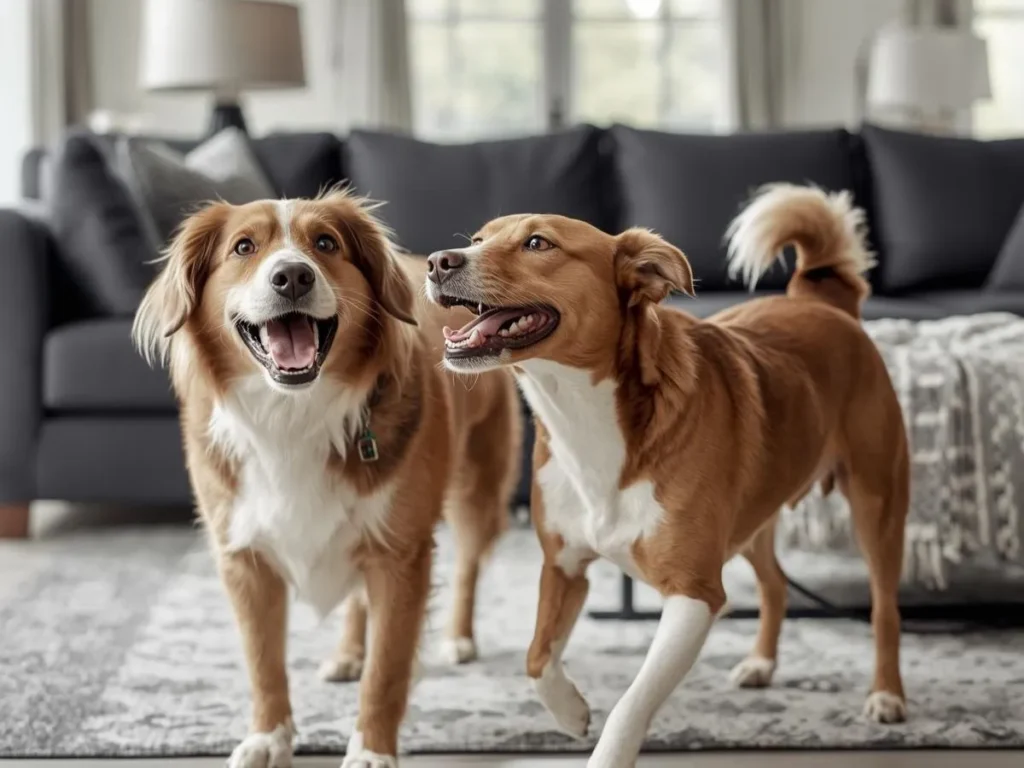
The logistics of daily life require new systems and a lot more forethought to keep things peaceful.
• I wish I established a strict “no toys on the floor” rule unless it’s closely supervised play.
• I wish I bought two of every high-value item (like lick mats) to prevent jealousy.
• I wish I mastered the art of walking two leashes without getting tangled around a pole.
• I wish I created a rotating schedule for who gets to ride “shotgun” in the car.
• I wish I designated separate feeding stations to make mealtimes a peaceful, predictable routine.
Navigating the “What Have I Done?” Moment

Feeling overwhelmed, regretful, or anxious in the first few weeks is incredibly common. It doesn’t mean you made a mistake.
• I wish I knew this feeling was normal and didn’t mean I was a bad dog parent.
• I wish I reached out to my vet or a trainer early for support instead of suffering silently.
• I wish I gave myself and the dogs a mandatory two-month adjustment period before making any judgments.
• I wish I focused on the small moments of progress instead of the chaotic, messy whole.
• I wish I asked for help—a friend to walk one dog so I could have a breather.
Your Relationship With Your First Dog Will Change

The exclusive bond you shared will evolve. Acknowledging this bittersweet shift is part of the process.
• I wish I was prepared for the pang of seeing my first dog look confused when I pet the new one.
• I wish I knew to cherish our solo adventures even more, making them extra special.
• I wish I understood our bond wasn’t weakening; it was maturing into something more complex.
• I wish I took more videos of just me and my first dog in those final “only child” days.
The Hidden Time Sink You Didn’t Account For

The mental and physical labor compounds in small, daily increments that add up to a significant commitment.
• I wish I accounted for double the grooming, nail trims, and ear cleaning each week.
• I wish I realized vet visits, even for simple things, now take at least twice as long.
• I wish I knew the “five-minute potty break” turns into a fifteen-minute production with two.
• I wish I planned for the time needed to manage their interactions, not just care for them.
The Unexpected Joys You Can’t Imagine Yet

For all the planning and worry, a multi-dog home brings unique delights that are impossible to foresee.
• I wish I could have pictured the hilarious, synchronized way they both tilt their heads.
• I wish I knew the heart-melting feeling of having a dog snuggled against each side of me.
• I wish I anticipated the pride of watching my older dog “teach” the new one house rules.
• I wish I could have felt the unique, bustling energy of a full “pack” greeting me at the door.
• I wish I knew the deep satisfaction of providing a loving pack for two deserving souls.
If I Could Do It Over Again: My Final Piece of Advice

With all this hindsight, my core advice is simple: make the decision for the right reasons, with eyes wide open, and with a plan centered on your existing dog’s well-being.
• I wish I had moved slower at every single step, from choosing to introducing to integrating.
• I wish I trusted my gut if a potential match didn’t feel right, even if the dog was adorable.
• I wish I focused less on finding a dog for me and more on finding a compatible friend for my dog.
• I wish I embraced the beautiful, chaotic, and deeply rewarding journey for exactly what it is.
FAQs
What are the cons of having two dogs?
The main drawbacks include significantly higher costs (food, vet care, insurance), more complex logistics (walking, traveling, scheduling), and the potential for behavioral issues like jealousy, resource guarding, or conflict. It also requires more time and mental energy for training and managing their relationship.
Is it easier to have 2 dogs than 1?
Not usually “easier,” but different. While they can entertain each other, you now manage a multi-dog dynamic. Tasks like walking, feeding, and vet visits become more complicated. The workload often more than doubles, especially in the initial adjustment period.
What is the best age gap for a second dog?
There’s no perfect gap, but many trainers suggest waiting until your first dog is at least 1-2 years old and well-trained. A moderate age gap (e.g., a 4-year-old and a 1-year-old) can work well, as the older dog is settled but still playful. Extreme gaps (puppy with senior) require special management.
How long does it take for a dog to accept a new dog?
Full, comfortable integration typically takes two to three months. Initial tolerance might happen within a few weeks, but establishing a stable, predictable relationship where both dogs feel secure is a slower process that requires patience and consistent management.
What is second dog syndrome?
“Second dog syndrome” is when the original dog gets less attention, training, or resources after a new dog arrives, leading to behavioral regression or anxiety. It can also refer to the new dog being neglected in favor of the established pet. The key is to consciously meet both dogs’ individual needs.
Conclusion
Reflecting on what I wish I knew before getting a second dog highlights that a smooth transition requires deliberate effort. The bonding period between dogs is unpredictable, and preserving household harmony often means intervening before tension starts. It’s essential to prioritize individual relationships with each dog to prevent jealousy and ensure their unique needs are met. For the best outcome, consult a certified trainer specializing in multi-dog homes to craft a personalized introduction plan.

Riley Hunter is a US-based writer who focuses on clear, people-first communication. At Wishhmii, Riley works on a wide range of wishes, greetings, and message ideas for everyday life—birthdays, relationships, friendships, family moments, holidays, and harder days too. With several years of blogging and digital writing experience, Riley aims to keep every line simple, respectful, and easy to personalize.