
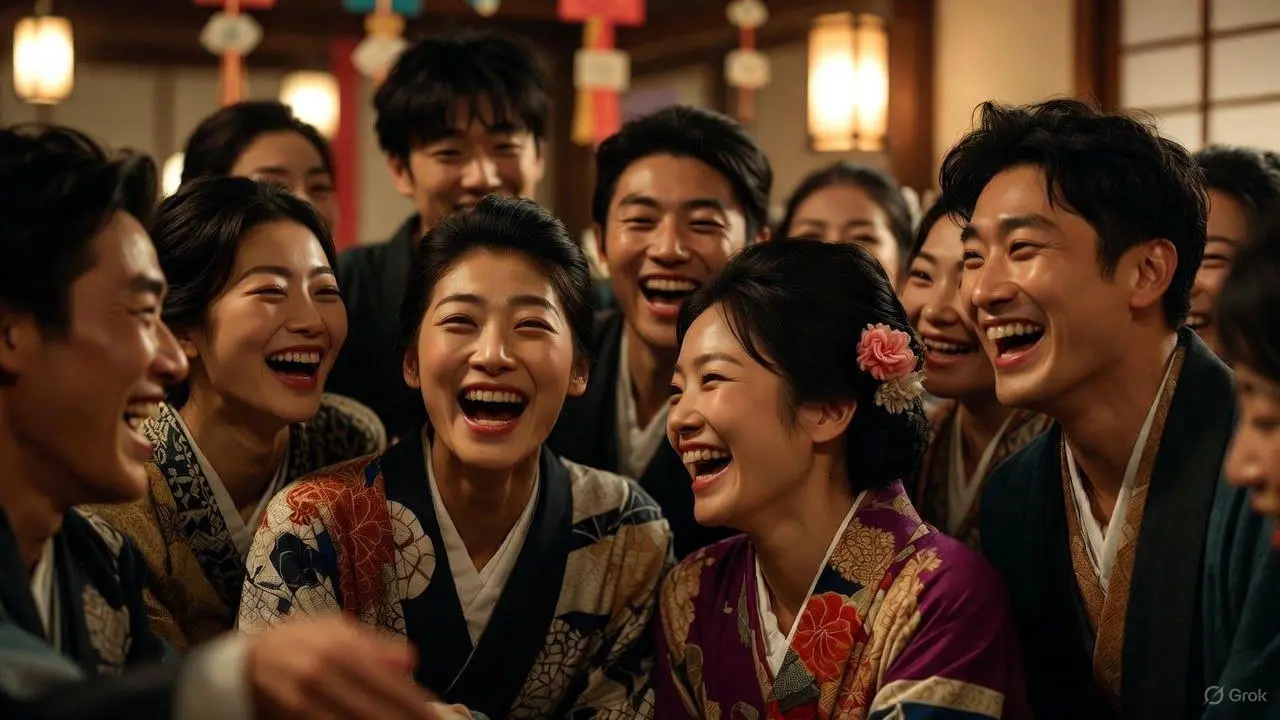
Looking for a meaningful way to say Happy New Year? Using Japanese greetings adds a layer of thoughtfulness and cultural appreciation to your well-wishes. As we approach 2026, blending the timeless tradition of “Shogatsu” (Japanese New Year) with your own messages can create a memorable impact. This guide provides you with the correct phrases, pronunciations, and a huge collection of genuine Japanese New Year wishes. You’ll find options for every relationship, from formal cards to cute texts for friends. Let’s explore the beauty of these greetings together.
Quick Answer
The most common way to say “Happy New Year” in Japanese is “Akemashite omedetou gozaimasu” (ah-keh-mah-shee-teh oh-meh-deh-toh goh-zah-ee-mahs). This polite phrase is used from January 1st onward. For a casual version among friends, you can shorten it to “Akemashite omedetou.“
TL;DR
• Learn the key phrase “Akemashite omedetou gozaimasu” for accuracy.
• Match the wish’s formality to your relationship with the recipient.
• Include a personal hope for health, happiness, or prosperity.
• Reference Japanese traditions like mochi or sunrise for authenticity.
• Keep it short for texts and social media, longer for cards.
• Use our lists to mix and match lines for a unique message.
Happy New Year in Japanese Pronunciation
Getting the pronunciation right shows respect and care. The standard greeting has a rhythmic flow. Remember, practice makes perfect, so try saying it aloud a few times.
• Akemashite omedetou gozaimasu: Pronounced “ah-keh-mah-shee-teh oh-meh-deh-toh goh-zah-ee-mahs”.
• Akemashite omedetou: A friendly shorter form, said as “ah-keh-mah-shee-teh oh-meh-deh-toh”.
• Kinga shinnen: An alternative formal greeting meaning “respectful New Year.”
• Yoi otoshi o: A phrase used before New Year’s, meaning “Have a good year end.”
• Oshogatsu: Refers to the Japanese New Year celebration period itself.
• Focus on clear, even syllables without rushing.
• Listen to online audio guides from trusted language sources.
• The ‘g’ in “gozaimasu” is soft, like the ‘g’ in “go”.
• The ‘r’ sounds are light, almost between an ‘r’ and an ‘l’.
• You convey goodwill simply by making the effort.
• Your attempt will be warmly appreciated by recipients.
Akemashite Omedetou Gozaimasu
This phrase is the cornerstone of January greetings in Japan. It literally translates to “Congratulations on the opening (of the New Year).” Importantly, it’s used after midnight on January 1st, not before.
• It expresses sincere congratulations for the new beginning.
• “Gozaimasu” adds politeness, making it perfect for most situations.
• Use it when meeting someone for the first time in the new year.
• It conveys both celebration and respectful well-wishing.
• The phrase honors the transition and fresh start.
• You’re acknowledging the shared step into a new time.
• In reply, you can simply say the same phrase back.
• It carries a deeper cultural weight than a simple “Happy New Year.”
• Writing it shows extra consideration in cards or messages.
• Understanding its meaning enriches your connection to the tradition.
Japanese New Year Wishes
Go beyond the basic phrase with wishes that encapsulate hope, joy, and prosperity. These messages blend Japanese sentiment with universal New Year themes.
• May your new year be filled with lasting peace and gentle happiness.
• I wish you a year of splendid joy and wonderful achievements ahead.
• As the new year dawns, I hope it brings you everything you’ve been dreaming of.
• Here’s to fresh beginnings and bright paths in the coming months.
• May each day of this year be touched with kindness and good fortune for you.
• Wishing you a year as amazing and unique as you truly are.
• I hope the new year unfolds like a beautiful story for you and your family.
• May you find success in your pursuits and warmth in your heart.
• Let this year be your canvas, and may you paint it with vibrant joy.
• I send you hopes for robust health and a spirit full of laughter.
• May every sunrise of the new year remind you of new opportunities.
• Wishing you a journey through the year filled with love and discovery.
• May your challenges be small and your victories be great this year.
• I hope the year ahead is your most peaceful and fulfilling one yet.
Japanese New Year Greetings
These greetings are steeped in tradition and are perfect for honoring the cultural aspects of Shogatsu. They often reflect hopes for the year ahead.
• Shinnen akemashite omedetou gozaimasu: A slightly more formal opening.
• Kotoshi mo yoroshiku onegaishimasu: “Please be kind to me this year too,” a humble and common addition.
• Hatsu-hinode omedetou: Congratulations on the first sunrise.
• Gashou omedetou: Congratulations on the first laugh of the year.
• Wishing you a year blessed with the purity of the first sunrise.
• May your new year be as joyous as the first dream, “hatsuyume.”
• With respect, I greet you at the start of this promising new year.
• I offer you greetings for a year of prosperity and shared goodwill.
• May the new year bring you the classic elegance of a kadomatsu arrangement.
• I extend my heartfelt greetings for health and happiness in the coming year.
• Celebrating the new year with wishes for harmony in your home.
• Greetings for a year filled with the sweetness of hope and the strength of resolve.
Formal Japanese New Year Greetings
Use these respectful wishes in professional emails, for superiors, elders, or in formal printed cards. They maintain decorum while expressing sincere hopes.
• We extend our most respectful wishes for a prosperous and successful new year.
• Please accept our sincere hopes for your health and happiness in the year ahead.
• On the occasion of the New Year, we wish your company continued growth and success.
• May the coming year bring you and your family esteemed peace and fortune.
• With utmost respect, we send our formal greetings for a splendid new year.
• Wishing you a year of distinguished achievements and personal fulfillment.
• We look forward to your continued guidance and kindness in the coming year.
• Please allow me to offer my humble wishes for your well-being this year.
• The team sends its collective best wishes for your prosperity in 2026.
• May the new year bestow upon you honor, health, and profound joy.
• We respectfully wish you a year of smooth progress and great respect.
• I express my gratitude for your past favor and wish you a happy new year.
Japanese New Year Card Messages
Known as “nengajo,” these cards are a cherished tradition. These messages are complete thoughts suitable for writing inside a holiday card.
• Akemashite omedetou gozaimasu. May the Year of the Horse bring you swift progress and unwavering strength. Kotoshi mo yoroshiku onegaishimasu.
• Wishing you a new year filled with laughter that echoes through your home and peace that settles in your heart. Kinga shinnen.
• As we celebrate the first sunrise, I hope its light guides you to a year of incredible joy and discovery. Shinnen akemashite omedetou.
• Thank you for your friendship last year. May this new year deepen our bond and fill our lives with shared adventures. Yoi otoshi o.
• To our dear family, may the mochi of the new year symbolize the strength and sticking together of our love. Akemashite omedetou gozaimasu.
• Sending warm thoughts across the miles. May the new year bring us closer and fill your days with contentment.
• May the sound of the Joya no Kane bells clear away last year’s worries and welcome a fresh start full of hope for you.
• Here’s to a year of new beginnings, cherished memories in the making, and dreams taking flight. Happy New Year.
• With gratitude for the past and excitement for the future, I wish you a year of boundless happiness.
• May your nengajo box overflow with cards, just as your life overflows with joy this coming year.
• Wishing you a year where every goal is within reach and every day holds a moment of simple happiness.
Essential Japanese New Year Phrases
Broaden your vocabulary with these additional phrases that are useful during the Shogatsu period. They show a deeper cultural understanding.
• Yoi otoshi o mukae kudasai: “Please welcome a good year” (used before Dec 31st).
• Hatsu-mode: The first shrine visit of the year.
• Otoshidama: New Year’s money gifted to children.
• Osechi ryori: Special festive New Year food.
• Kadomatsu: Traditional pine decoration for the entrance.
• Mochi: Pounded rice cake, a staple food.
• Joya no Kane: The 108 bell rings on New Year’s Eve.
• Fukubukuro: “Lucky bag” sold by stores after New Year’s.
• I hope you enjoy delicious osechi ryori with your loved ones.
• Wishing you good fortune in getting a great fukubukuro this year!
• May your hatsu-mode be filled with serene hope and positive prayers.
• Enjoy the chewy sweetness of mochi and the joy of fresh starts.
Cute Japanese New Year Wishes
Perfect for kids, close friends, or adding a playful touch to your texts and social media posts. These are light, sweet, and full of fun imagery.
• Hop into the new year like a happy bunny with a pocket full of dreams! 🐇
• May your year be as sweet and delightful as a stack of strawberry mochi.
• Wishing you 365 days of adventures, giggles, and awesome surprises!
• Let’s make this year sparkle with fun moments and happy memories together.
• Here’s to a year of more laughter, more hugs, and more ice cream! 🍦
• May your new year be filled with cute moments and zero boring days.
• Sending you a confetti shower of joy for the most fun year yet! 🎊
• I hope your year is as bright and cheerful as your wonderful smile.
• Let’s fill our new year calendar with dates for fun and friendship.
• Wishing you a year where all your plans turn out picture-perfect. 📸
• May you find a reason to do a happy dance at least once a week!
• Here’s to a fresh start full of possibilities and cute stationery.
Japanese New Year Blessings & Prayers
These wishes incorporate spiritual or reflective elements, asking for divine favor, peace, and protection. They are respectful and universal in their hope.
• May the kami (spirits) bless your home with safety and abundance this year.
• I pray this new year brings a gentle spirit and a peaceful mind to you.
• May you be blessed with a guiding light on your path throughout the year.
• Wishing you the inner strength of bamboo and the lasting hope of the pine.
• May your prayers at the first shrine visit be heard and kindly answered.
• I hope you receive the blessing of good health above all else this year.
• May a sense of deep peace be your constant companion in 2026.
• Wishing you prosperity that you can share generously with others.
• May you be blessed with clarity of purpose and a heart full of gratitude.
• I pray for protection over your journey and joy in your destination.
• May the new year’s blessings unfold for you like a beautiful scroll.
• Wishing you harmony with nature and with those you hold dear.
Short Japanese New Year Wishes
When you need something quick for a text, tweet, or Instagram caption, these concise wishes get straight to the point with warmth.
• Akemashite omedetou! Have a brilliant year.
• Happy New Year! Wishing you joy.
• All the best for 2026!
• To a fresh start and great days.
• Cheers to a wonderful new year ahead.
• May your year be amazing.
• Thinking of you this New Year.
• Hope it’s your best year yet.
• Wishing you peace and happiness.
• Here’s to new beginnings!
• Sending you good vibes for the year.
• Have a joyful and prosperous year.
Japanese New Year Wishes for Friends
Celebrate your friendship with these casual, cheerful, and heartfelt messages meant for your closest pals. They focus on shared joy and future fun.
• Akemashite omedetou, my friend! Here’s to another year of epic adventures and terrible karaoke together.
• Can’t wait to fill this new year with more crazy memories with you. Happy New Year!
• To the friend who feels like family, may your year be as awesome as you are.
• Here’s to more coffee dates, deep talks, and laughing until we cry in 2026.
• So grateful our paths crossed. Wishing you a year of everything you love.
• May your new year be full of moments that make you feel alive and loved.
• Cheers to a friend who makes every year brighter. Let’s make this one the best.
• Hoping this year brings you closer to your dreams, and me closer to you for celebrations!
• No matter the distance, here’s to our friendship thriving in the new year.
• You deserve a year of non-stop happiness and success. Go get it!
• To more spontaneous trips and cozy nights in with my favorite person.
• Thanks for the memories last year. Let’s create even better ones now.
Japanese New Year Wishes for Family
Express love, gratitude, and hopes for togetherness with these messages tailored for parents, siblings, partners, and children.
• To my dear family, may our home continue to be filled with love, laughter, and warmth this year. Akemashite omedetou gozaimasu.
• Mom and Dad, thank you for everything. Wishing you a year of relaxation, health, and joy watching us grow.
• To my partner, you are my greatest blessing. Let’s make 2026 a chapter of love and shared dreams.
• Kids, may your new year be magical, full of learning, play, and wonder. We love you endlessly.
• Sisters/Brothers, here’s to another year of unwavering support and inside jokes. Love you.
• May our family bond grow stronger and our shared meals be joyful this year.
• Wishing health and happiness to every member of our wonderful, crazy family.
• Grandparents, may the new year bring you comfort, cherished stories, and visits from loved ones.
• To our family near and far, you are in our hearts as we step into this new beginning.
• Here’s to creating new family traditions and honoring the old ones this year.
• May our home be a sanctuary of peace and happiness for all of us in 2026.
• Thank you for being my family. My wish is for your happiness above all.
Japanese New Year 2026 Greetings
Specifically frame your wishes for the coming year, 2026. You can reference the upcoming zodiac sign (Year of the Horse in the Japanese zodiac, starting January 1, 2026).
• Akemashite omedetou gozaimasu! Wishing you the strength, grace, and forward momentum of the Horse in 2026.
• Happy New Year 2026! May this year carry you swiftly towards your goals with confidence.
• As we welcome 2026, I hope it brings you adventures as free and spirited as a wild horse.
• May the Year of the Horse be one of perseverance and triumphant achievements for you.
• Wishing you a 2026 filled with powerful strides forward and unwavering determination.
• Here’s to a new year of exploring new trails and enjoying the ride. Happy 2026!
• May the energy of the Horse inspire a dynamic and successful year ahead for you.
• Sending warmest wishes for health and happiness throughout all of 2026.
• Let’s make 2026 a year of bold moves and beautiful destinations.
• I hope 2026 writes a story for you that is exciting, fulfilling, and full of joy.
How to Reply to a Japanese New Year Greeting
Reciprocating well is part of the etiquette. The simplest way is to repeat the greeting said to you. Here are common and gracious responses.
• Simply say “Akemashite omedetou gozaimasu” back with a smile.
• You can add “Kochira koso, yoroshiku onegaishimasu” meaning “I am the one who should ask for your favor.”
• A warm “Thank you, same to you!” works perfectly in cross-cultural settings.
• “Omedetou gozaimasu. Kotoshi mo yoroshiku.” is a polite and standard reply.
• For casual friends, a cheerful “Omedetou! You too!” is absolutely fine.
• If they wish you first, a nod and the reciprocal phrase shows respect.
• In writing, you can echo their sentiment and add a personal hope for them.
• The key is to acknowledge their wish and return the positive intent.
• A simple “Arigatou gozaimasu. Akemashite omedetou!” (Thank you. Happy New Year!) is great.
• Your sincere effort to reply in kind is always appreciated.
Japanese New Year Traditions to Reference
Weaving in a mention of these customs makes your wish feel authentic and culturally informed. It shows you took extra care.
• I hope your new year is as hopeful and pure as the first sunrise, “hatsuhinode.”
• May the 108 bell chimes clear away any old worries for you.
• Wishing your home the welcoming spirit of the kadomatsu decoration.
• May your osechi ryori be delicious and your otoshidama envelopes plentiful!
• Hoping you enjoy the chewy, sweet tradition of mochi with loved ones.
• Wishing you good luck in your first shrine visit, hatsu-mode.
• May you find the perfect fukubukuro lucky bag this year.
• I hope your “hatsuyume” first dream is a fortunate and beautiful one.
• May your new year be filled with the shared joy of family games.
• Wishing you a tidy start, just like the tradition of osoji year-end cleaning.
• May your joy be as abundant as the special New Year’s feast.
Blending Japanese & Western New Year Wishes
For a US audience, combining elements from both cultures creates a unique and personal message. It’s about fusion, not replacement.
• Akemashite omedetou! Here’s to a 2026 full of countdowns, confetti, and kadomatsu.
• Happy New Year! May it bring you fireworks of joy and the peaceful wisdom of a Zen garden.
• Wishing you a fantastic New Year—may it have the excitement of Times Square and the serenity of a Kyoto temple.
• Let’s toast with champagne and sweet amazake to a year of incredible blessings.
• May your year be filled with both ambitious resolutions and the mindful peace of Shogatsu.
• Here’s to January 1st: for football, osechi, and fresh starts with family.
• Wishing you prosperity that would fill both a Wall Street ledger and a prosperous kadomatsu.
• May your new year be a perfect blend of joyful noise and tranquil moments.
• Cheers to a year where we embrace new traditions while honoring the old.
• Sending you a Happy New Year wish, seasoned with gratitude and a sprinkle of Japanese “kotobuki” (congratulations).
FAQs
How do you say “Happy New Year” in Japanese?
The most standard and polite way is “Akemashite omedetou gozaimasu.” It’s used after the new year begins. Before December 31st, you can say “Yoi otoshi o” to wish someone a good year-end.
What does “Akemashite omedetou gozaimasu” mean?
It translates literally to “Congratulations on the opening (of the New Year).” The “gozaimasu” makes it polite. It’s a congratulatory phrase for the new beginning, expressing hope and respect.
How do you reply to “Akemashite omedetou”?
The simplest and most common reply is to say “Akemashite omedetou gozaimasu” back. You can also add “Kotoshi mo yoroshiku onegaishimasu,” which is a humble request for continued good relations.
What are some Japanese New Year traditions?
Key traditions include eating special “osechi ryori” foods, making the first shrine visit (“hatsu-mode”), decorating with “kadomatsu” (pine arrangements), eating “mochi” (rice cakes), and listening to the 108 bell rings on New Year’s Eve (“Joya no Kane”).
How do you write “Happy New Year” in Japanese?
You can write it in several ways. In formal settings, the kanji 明けましておめでとうございます is used. For a simpler version, hiragana あけましておめでとうございます is also correct and very readable.
When do you stop saying the Japanese New Year greeting?
Typically, “Akemashite omedetou gozaimasu” is used throughout January. It’s especially common during the first meeting of the new year. After January, it’s no longer used, though the sentiment remains.
What is “kotobuki” in Japanese?
“Kotobuki” (寿 or 賀) means “congratulations,” “longevity,” or “good fortune.” It’s a celebratory word often associated with auspicious occasions like New Year’s, appearing on decorations and cards to convey blessings.
Conclusion
Finding the perfect “Happy New Year” in Japanese greeting is a wonderful way to connect meaningfully as we welcome 2026. Whether you choose a formal “Akemashite omedetou gozaimasu” or a blended, personal message, your thoughtfulness will shine through. We hope this guide helps you express your warmest wishes with confidence and cultural heart.

Jordan Reed is a US-based lifestyle and celebration content writer. At Wishhmii, he helps shape wishes and messages for a wide mix of occasions, from everyday check-ins to milestones and big celebrations. Jordan focuses on making each message flexible enough to fit different relationships and cultures, while still feeling personal, warm, and easy to adapt.